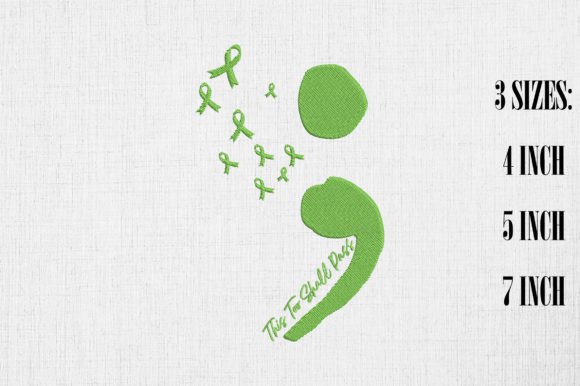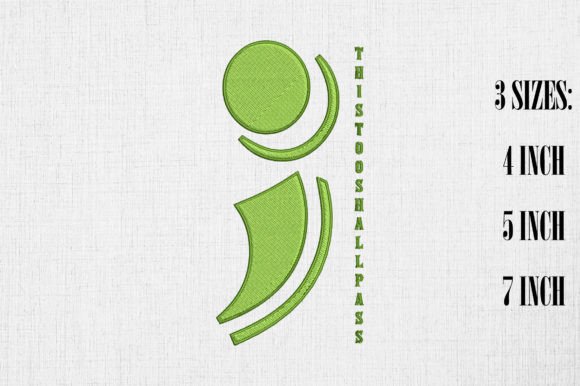
This Too Shall Pass Semicolon
As an experienced embroidery designer, I often evaluate machine embroidery designs with a critical eye, especially when they're intended for small business merch, branded patches, and custom apparel. This Too Shall Pass Semicolon is a design that carries a unique message and visual appeal, making it a strong candidate for various applications in the world of embroidery. However, its success in real-world use depends on how well it aligns with the needs of the business and the technical requirements of the embroidery process.
The First Impression: A Design with Purpose
This Too Shall Pass Semicolon immediately conveys a sense of calm and resilience. The title suggests a message of hope and perseverance, which can be powerful for businesses looking to connect with their audience on an emotional level. Visually, the design feels modern and minimalist, with a clean line structure that makes it versatile for different fabric types and embroidery styles. It doesn’t scream for attention but instead offers a subtle, professional presence that can blend well with other design elements.
Based on the product description, it’s clear that This Too Shall Pass Semicolon is intended to be a flexible machine embroidery design. Its ability to complement t-shirts, dresses, scarves, and home decor indicates that it has a broad range of applications. However, its effectiveness as an embroidered patch or brand identity element will depend on how it's scaled and adapted for specific uses.
Real Business Use: From Patches to Tote Bags
For small business owners, this design could serve as a valuable addition to their merchandise lineup. Whether used as an embroidered patch on jackets, a chest logo on work shirts, or a sleeve detail on aprons, it has the potential to elevate the look of any item. Its simplicity also makes it ideal for tote bag designs, where bold yet uncluttered visuals are often preferred.
When considering this design for cap embroidery, it’s important to note that smaller spaces may require some adjustments. The semicolon itself is a delicate element, and if the design is scaled down too much, it may lose clarity. Similarly, when used on curved surfaces like caps or bags, the placement of the design should be carefully planned to maintain its visual integrity.
This Too Shall Pass Semicolon could also work well as a product packaging accent or a customer gift item. Its understated nature makes it suitable for handmade products, where subtlety often enhances the overall aesthetic. For Etsy sellers or craft brands, this design could be a great way to add a touch of sophistication without overwhelming the product.
Where to Use With Caution
While This Too Shall Pass Semicolon is visually appealing, there are certain scenarios where it may not perform as expected. Small patch sizes, for instance, could cause the design to appear too cramped or unclear. If the semicolon is the focal point, it needs enough space to breathe. Similarly, high stitch density might lead to puckering or distortion on certain fabrics, especially if the stabilizer isn’t properly applied.
On dark uniforms or textured fabrics, the contrast between the thread colors and the background becomes crucial. If the design is stitched in a color that blends too much with the fabric, it may not stand out as intended. Additionally, items that undergo frequent washing may require a more durable stitching technique to prevent fading or fraying over time.
Impact on Brand Identity and Customer Perception
A well-chosen embroidery design can significantly influence brand identity. This Too Shall Pass Semicolon has the potential to reinforce a brand’s message of resilience and positivity, making it a meaningful addition to custom apparel or branded merchandise. When used consistently across different items—such as aprons, tote bags, or event merch—it helps build visual recognition and strengthens customer trust.
From a commercial embroidery perspective, this design can enhance the perceived value of a product. A professionally embroidered patch or logo adds a layer of quality that customers appreciate. For small businesses, this can translate into better engagement, higher satisfaction, and increased loyalty. It also supports the handmade product image, offering a polished yet authentic look that resonates with today’s conscious consumers.
Practical Embroidery Designer Notes
Before finalizing this design for a project, I recommend testing it in black and white first. This allows you to assess the contrast and clarity without the distraction of color. Also, check if it works at the smallest patch size your client is considering. Sometimes, what looks good on a large format may not translate well when scaled down.
Reviewing thread color contrast is essential, especially when working with dark or patterned fabrics. Ensure that the design’s details are visible and that the spacing between elements is appropriate. Confirming the hoop size needed for the design will help avoid unnecessary resizing or reworking. Testing the design on the actual fabric type is always a good idea, as different materials behave differently under the needle.
Using the right stabilizer is another key factor in achieving a clean finished product. For textured fabrics, a heavier stabilizer may be necessary to prevent puckering. Creating a printable mockup for client approval ensures that everyone is on the same page before production begins. Comparing this design with other design assets will also help maintain consistency across all branding elements.
Lastly, always confirm the commercial licensing terms before using this design for business purposes. Even though the product description mentions multiple embroidery file formats, specific usage rights should be verified to avoid legal issues down the line.